Factory readiness / site inputs
Water Filling Machine Installation Requirements
A catalogue footprint and a building power supply do not establish that a water filler is ready to install. Prepare a revision-controlled machine layout, confirmed connection requirements and evidence of what is actually available at the proposed handover points.
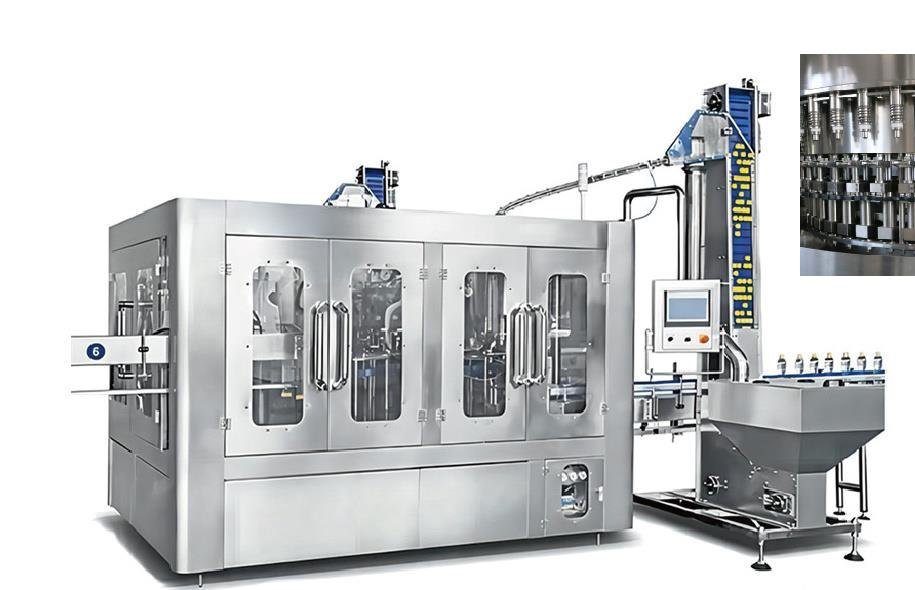
Compare the supplier's approved machine drawing and applicable utility schedule with verified site data at each filler connection. Record the required condition, available condition, evidence and responsible party; resolve missing or conflicting information before a site-readiness handover. This is machine-level preparation, not a factory utility design or an instruction to energize equipment.
Preparing your site for the filling machine
Approve the installation envelope, not just the outline
Identify machine configuration, drawing revision, orientation and bottle-flow direction. Ask the supplier to show the equipment outline together with operator access, cap-loading access, control-panel opening and the space needed for approved cleaning, service and component removal. Record bottle infeed/outfeed elevations and the limits of included conveyors. Compare delivery access with the confirmed shipping sections and handling plan. Mark dimensions not yet approved as open; a catalogue length and width do not establish a safe clearance, doorway fit, floor design or lifting method. Those decisions need the responsible qualified project professionals.
Request a connection schedule for the services that apply
Use one line for each supplier-confirmed applicable service: electrical supply, product water, any specified rinser water, compressed air if required, and defined drain connections. Record connection ID/location, drawing reference, medium, units, required condition and the operating case. The supplier must identify which pressure, flow, temperature, quality, voltage/frequency/phase and load fields apply rather than the buyer inventing values. Distinguish machine-only power from included auxiliaries and total connected load, and ask how running and peak or simultaneous demands are stated. Catalogue power alone is not a complete electrical or utility schedule; unknown service requirements remain to confirm.
What is actually available at the filler inlet?
On the connection list, give the supplier’s requirement and the site’s available supply separate columns. For example, the pump data sheet gives a rated flow, but nobody has confirmed the flow at the product-water inlet while another user draws from the same supply. Mark that inlet row open. The site utilities engineer provides a dated verification for the agreed operating case. The designated reviewer compares it with the supplier’s requirement and records acceptance or the remaining shortfall. Use the same row to identify who supplies the pipe and valve up to that inlet.
Which documents should be signed off before commissioning?
Link the latest approved layout, connection schedule, electrical basis, site-access review and open-item register to one machine/configuration revision. For each unresolved item, record who must respond, what document or verification is missing and who can accept closure. Do not mark an unknown pressure, load, clearance or interface as approved merely to complete a checklist. A factory acceptance run does not certify the destination site's available utilities or local installation. Qualified personnel must follow the supplied manuals, approved site procedures and applicable local requirements; commissioning execution and final release remain separately agreed responsibilities, not an automatic result of submitting this information.
Questions to settle before requesting a quote
How much power, water and compressed air does the filler need?
Request the schedule for the exact approved configuration, formats, output case and included auxiliaries. Confirm which services apply and their connection-point requirements. A catalogue machine-power figure is not a total installed-load or consumption guarantee; unapproved values must stay open.
Can I plan the installation area from catalogue dimensions?
Use them only as reference equipment outlines. Obtain the approved layout with access, service, cap loading, panel opening, included interfaces and delivery sections. The supplier and qualified site professionals must confirm the required envelope and site conditions.
Does a successful FAT prove that my site is ready?
No. FAT evidence relates to its documented factory test conditions. The destination site still needs verified available services, access and connection responsibilities checked against the approved machine requirements, with unresolved items closed by the responsible parties.
Related decision
Engineering
Decide whether to buy only the rinsing-filling-capping monoblock, add interface equipment, or request a complete bottled-water line.
Allot Tech / installation-utility-requirements
Turn this decision into a comparable machine scope
Send the bottle, cap, reference output, existing equipment and destination. Final values are confirmed in the project proposal.
Mr Kcal
Allot Tech (Suzhou) Co., Ltd.