Suitable for
Projects that match this page decision
- Empty PET bottles with an approved neck-handling point
- Still-water projects with a defined rinse-water and drain boundary
- Multiple formats whose changeover scope has been reviewed
Zone 01 / bottle preparation
The rinsing section must grip and invert the approved empty PET bottle without damaging its neck or losing control during transfer. Bottle geometry and neck finish are therefore selection inputs, not afterthoughts.
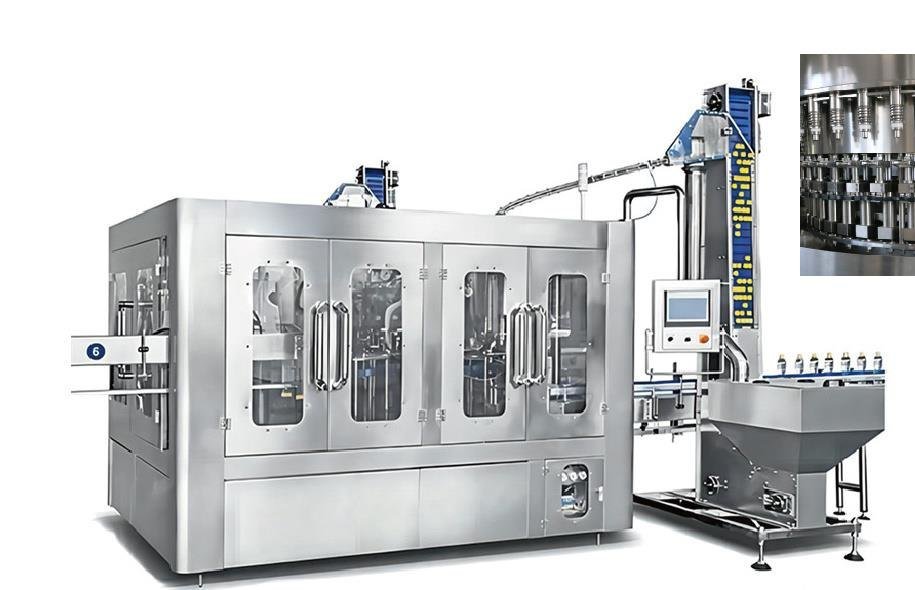
A bottle rinser is suitable only when its grippers, guides, inversion path, rinse-water supply and drainage are confirmed for the intended bottle. Provide a bottle drawing and samples before production, especially for lightweight, tall or unusually shaped bottles.
Projects that match this page decision
Boundaries that need a different platform or review
Evidence to provide before confirmation
What happens at this machine or decision boundary
Options that must appear in the proposal
Upstream, downstream and utility handovers
Questions to close before order
How to verify the agreed basis
What the commercial offer should state
Neck finish drawing and support-ring dimensions. Bottle height, diameter, shape and empty-bottle weight. Rinse-water source, pressure basis and drainage arrangement. Number of formats and changeover expectations.
Gripper and guide scope. Rinse-water and drainage connections. Approved bottle formats and included change parts. Inspection method and FAT samples.
Inspect neck marks and bottle stability after repeated cycles. Confirm drainage and absence of trapped rinse water. Run each approved bottle format included in the contract.
Related decision
Select a PET still-water rinsing, filling and capping monoblock. Check catalog capacity, bottle compatibility and quotation scope before ordering.
Allot Tech / bottle-rinsing-system
Send the bottle, cap, reference output, existing equipment and destination. Final values are confirmed in the project proposal.
Mr Kcal
Allot Tech (Suzhou) Co., Ltd.