Skip to content
XGF Allot TechFilling machine center

Closure supply / cap delivery to the capper

Cap Feeder and Cap Elevator Selection

Cap feeding is a separate decision from the final capping result. The proposal should show how approved caps are loaded, elevated, oriented, buffered and delivered to the placement point without obscuring responsibility at each handover.

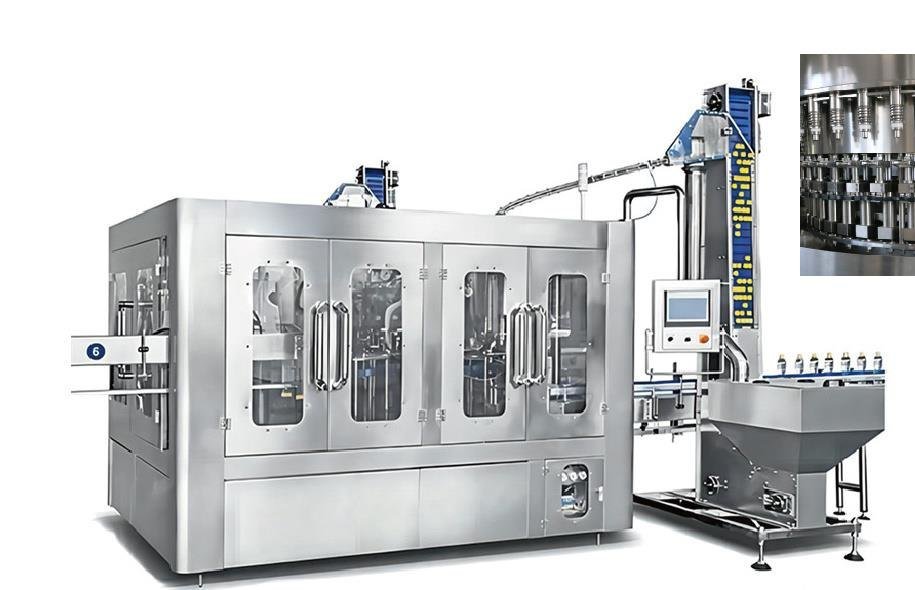
Cap Feeder and Cap Elevator Selection - XGF bottled water rinsing filling and capping monoblock reference machine
Allot Tech 2026 catalog imageReference values require project-specific confirmation.
Answer first

Select the feeder and elevator around the actual cap geometry, loading method, required replenishment route, sorter orientation, chute layout, buffer behavior and machine signals. Confirm the final closure result on the capping page and in FAT.

Closure flow / responsibility map

Follow the cap from bulk supply to placement

A complete scope names each handling step and who supplies it.

Cap-flow stageQuestion for the quotationFAT evidence
Bulk loadingWhere and how does the operator add caps?Safe access and repeatable replenishment
ElevationIs an elevator included and where is its discharge?Stable delivery without damage or bridging
SortingWhich approved cap is oriented and how are faults handled?Correct orientation and recovery behavior
Chute and bufferWhat route, storage and low-cap detection are included?Flow during normal, low-cap and restart conditions
Placement handoverWhere does feeder responsibility end?Cap presentation separated from final capping result

Reference values require project-specific confirmation. Feeding evidence and final capping-result evidence are recorded separately.

01

Suitable for

Projects that match this page decision

  • Automatic PET water machines using an approved screw cap
  • Projects comparing manual bulk loading with an elevator-assisted feed route
  • Layouts that need a declared cap-storage and replenishment position
02

Not suitable for

Boundaries that need a different platform or review

  • Choosing cap equipment from cap diameter alone
  • Assuming the feeder proves final capping quality
  • Using sample caps that differ from the production closure
03

Inputs required

Evidence to provide before confirmation

  • Cap drawing, material, dimensions and production samples
  • Bulk delivery format and operator replenishment route
  • Required chute path, mounting position and access limits
  • Low-cap, jam and stop-signal expectations
04

Machine function

What happens at this machine or decision boundary

  • Move caps from the approved loading point to the sorter.
  • Orient caps and reject or recirculate incorrectly presented closures as designed.
  • Maintain a controlled feed through the chute to the placement point.
05

Configuration decisions

Options that must appear in the proposal

  • Manual loading height or cap-elevator scope
  • Sorter type and approved cap range
  • Chute length, buffer and low-cap detection
  • Included guarding, access and cleaning responsibility
06

Interface requirements

Upstream, downstream and utility handovers

  • Buyer bulk-cap supply to feeder loading point
  • Feeder or elevator to sorter handover
  • Sorter and chute to capping-head placement point
07

Buyer risks

Questions to close before order

  • Cap bridging, inversion or damage that appears only at sustained rate
  • Inaccessible replenishment or cleaning position
  • Unclear responsibility for the elevator, sorter, chute or signals
08

FAT checks

How to verify the agreed basis

  • Run production-representative caps from the agreed loading point.
  • Observe low-cap, empty, jam, stop and restart behavior.
  • Record orientation, chute flow, placement and final cap-result observations separately.
09

Quotation scope

What the commercial offer should state

  • Approved cap and bulk supply basis
  • Elevator, feeder, sorter, chute and buffer scope
  • Sensors, alarms, guarding and access
  • FAT cap quantity, method and open-point handling

Search questions / buyer answers

Questions buyers ask before requesting a quotation

What information is required before confirming Cap Feeder and Cap Elevator Selection?

Cap drawing, material, dimensions and production samples. Bulk delivery format and operator replenishment route. Required chute path, mounting position and access limits. Low-cap, jam and stop-signal expectations.

What should the quotation state for Cap Feeder and Cap Elevator Selection?

Approved cap and bulk supply basis. Elevator, feeder, sorter, chute and buffer scope. Sensors, alarms, guarding and access. FAT cap quantity, method and open-point handling.

How should Cap Feeder and Cap Elevator Selection be checked during FAT?

Run production-representative caps from the agreed loading point. Observe low-cap, empty, jam, stop and restart behavior. Record orientation, chute flow, placement and final cap-result observations separately.

Allot Tech / cap-feeder-and-cap-elevator-selection

Turn this decision into a comparable machine scope

Send the bottle, cap, reference output, existing equipment and destination. Final values are confirmed in the project proposal.

Submission is sent to sales@allottech.com. Personal form values are not sent to Google Analytics.