Skip to content
XGF Allot TechFilling machine center

High-intent buyer search / machine-specific planning

Bottled Water Filling Machine Power Consumption

Published XGF machine power references range from 2.42 to 15.37 kW across the nine listed models, but this is not the electrical demand of a complete bottled-water line.

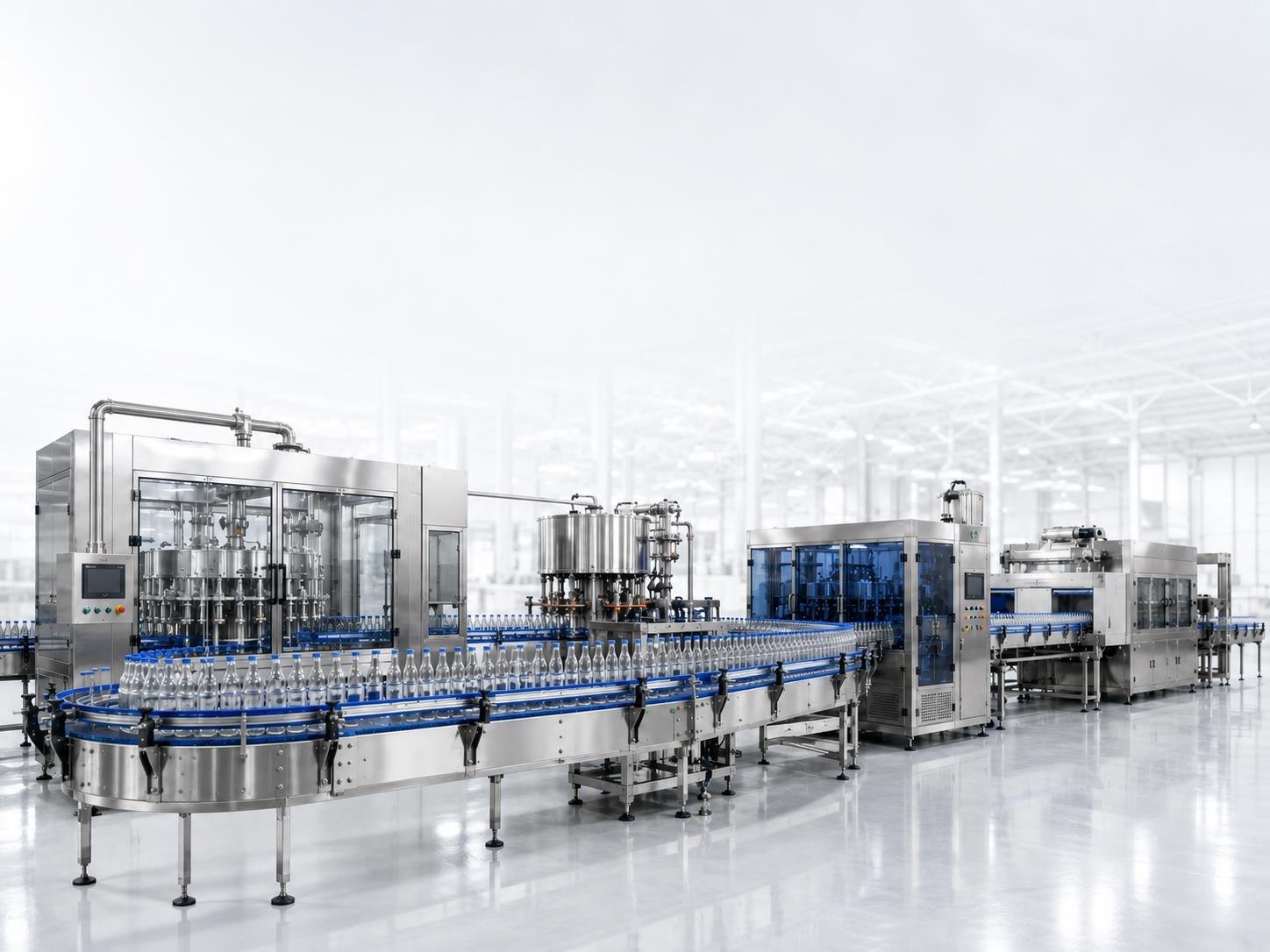
Bottled Water Filling Machine Power Consumption - Complete bottled water production line with filling and packaging equipment
Allot Tech 2026 catalog imageReference values require project-specific confirmation.
Answer first

Ask for machine rated power, installed load and expected operating demand as separate values. Add conveyors, cap handling, pumps, water treatment, bottle blowing, compressors, labeling, packing and utilities before sizing the factory electrical supply.

01

Suitable for

Projects that match this page decision

  • Buyers preparing electrical capacity for a PET water filling machine project
  • PET still-water projects preparing a controlled machine requirement
  • Buyers able to confirm bottle, cap, output basis and destination
02

Not suitable for

Boundaries that need a different platform or review

  • Using the monoblock catalog power as the complete-line electrical load
  • Carbonated, hot-fill, glass, can or returnable 5-gallon platforms
  • Treating a search phrase or nominal BPH as a final machine guarantee
03

Inputs required

Evidence to provide before confirmation

  • Destination voltage, frequency, phase, available transformer capacity and full equipment scope
  • Approved bottle drawing, neck finish, cap drawing and representative samples
  • Saleable daily demand, net production hours, efficiency basis and destination
04

Machine function

What happens at this machine or decision boundary

  • The utility review separates the filler drive load from every auxiliary and complete-line consumer.
  • The rinse-fill-cap platform is reviewed against the approved PET container and still-water process.
  • Project engineering confirms the model, components, interfaces and acceptance basis.
05

Configuration decisions

Options that must appear in the proposal

  • Installed load, expected running demand, startup allowance and buyer-supplied distribution
  • Machine-only, machine-plus-interface or complete-line commercial boundary
  • Change parts, controls, documents, spares, FAT and service responsibility
06

Interface requirements

Upstream, downstream and utility handovers

  • Main panel, feeder cables, protection, grounding and third-party equipment connections
  • Treated product-water, electrical, controls and drainage handovers
  • Filled-bottle discharge, downstream accumulation, labeling and packing route
07

Buyer risks

Questions to close before order

  • Undersizing the factory supply because compressors or bottle blowing were omitted
  • Comparing supplier proposals built on different container or efficiency assumptions
  • Leaving exclusions, utilities, installation or acceptance evidence unstated
08

FAT checks

How to verify the agreed basis

  • Record the machine nameplate and agreed operating condition during the acceptance test.
  • Run approved production-representative bottles and caps under a written test method.
  • Record output, stops, transfer, fill level, leakage, capping, alarms and open points.
09

Quotation scope

What the commercial offer should state

  • Require an equipment-by-equipment power schedule rather than one unexplained kW total.
  • Reference output basis, included interfaces, change parts, spares and documents
  • FAT, packing, freight, installation, commissioning, exclusions and confirmation items

Search questions / buyer answers

Questions buyers ask before requesting a quotation

What information is required before confirming Bottled Water Filling Machine Power Consumption?

Destination voltage, frequency, phase, available transformer capacity and full equipment scope. Approved bottle drawing, neck finish, cap drawing and representative samples. Saleable daily demand, net production hours, efficiency basis and destination.

What should the quotation state for Bottled Water Filling Machine Power Consumption?

Require an equipment-by-equipment power schedule rather than one unexplained kW total. Reference output basis, included interfaces, change parts, spares and documents. FAT, packing, freight, installation, commissioning, exclusions and confirmation items.

How should Bottled Water Filling Machine Power Consumption be checked during FAT?

Record the machine nameplate and agreed operating condition during the acceptance test. Run approved production-representative bottles and caps under a written test method. Record output, stops, transfer, fill level, leakage, capping, alarms and open points.

Allot Tech / bottled-water-filling-machine-power-consumption

Turn this decision into a comparable machine scope

Send the bottle, cap, reference output, existing equipment and destination. Final values are confirmed in the project proposal.

Submission is sent to sales@allottech.com. Personal form values are not sent to Google Analytics.