Skip to content
PET STILL-WATER MACHINE SELECTION DESK US+1 818 262 0958
Allot TechFilling machine center

Troubleshooting / isolate before changing parts

Common Filling Machine Problems and Purchase Risks

Fill-level, bottle-transfer and capping symptoms can originate inside the machine or at the water, bottle, cap, conveyor and control interfaces. Observe the boundary before assuming a cause.
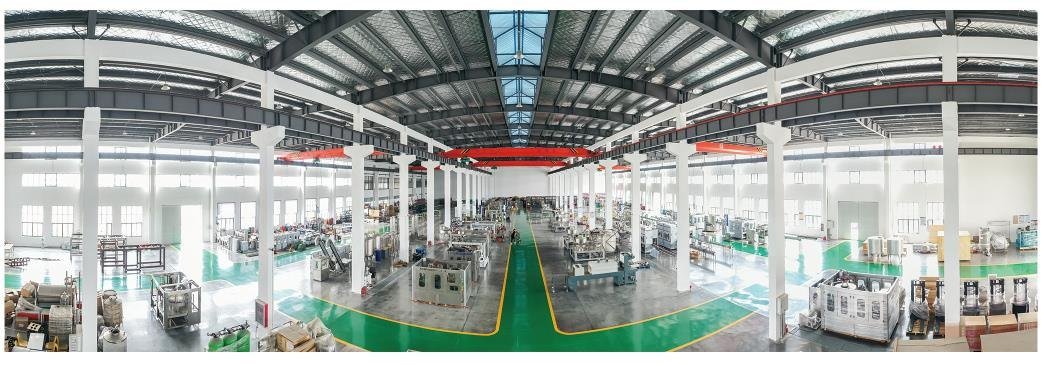
Beverage filling equipment manufacturing and project assembly workshop
Allot Tech 2026 catalog · reference equipmentReference values require project-specific confirmation.
Answer first

Record the symptom, affected SKU, time, machine state, water condition, bottle/cap lot and upstream/downstream status. Compare the evidence with the approved operating basis before making adjustments.

01

Suitable for

Projects that match this page decision

  • Buyers reviewing design risks before order
  • Operators preparing evidence for support
  • Plants separating machine and interface causes
02

Not suitable for

Boundaries that need a different platform or review

  • Remote diagnosis without measured evidence
  • Changing safety or control settings without authorization
  • Assuming one symptom proves one failed component
03

Inputs required

Evidence to provide before confirmation

  • Symptom photos or video and timestamp
  • Bottle/cap lot and format
  • Speed, alarms and operating state
  • Water supply and conveyor status
04

Machine function

What happens at this machine or decision boundary

  • The guide groups evidence by rinsing, filling, capping and transfer zones.
  • Boundary checks identify whether starvation, blockage or format input is involved.
  • A concise record gives the supplier enough information to respond.
05

Configuration decisions

Options that must appear in the proposal

  • Stop and inspect versus continue with monitoring
  • Machine setting versus bottle/cap variation
  • Internal component versus external interface
  • Consumable spare versus engineering review
06

Interface requirements

Upstream, downstream and utility handovers

  • Treated-water flow and level
  • Air-conveyor stability and outfeed back pressure
  • Cap supply quality and sorter behavior
07

Buyer risks

Questions to close before order

  • Repeated adjustment hides the real cause
  • Unsafe intervention around moving equipment
  • No record of settings before changes
08

FAT checks

How to verify the agreed basis

  • Include representative starvation and blockage scenarios.
  • Record alarm and recovery behavior.
  • Use approved samples and measured results.
09

Quotation scope

What the commercial offer should state

  • Alarm and diagnostic information
  • Support response and evidence required
  • Recommended sensors and spare parts
  • Training and after-sales communication boundary

Questions buyers ask before requesting a quotation

What information is required before confirming Common Filling Machine Problems and Purchase Risks?

Symptom photos or video and timestamp. Bottle/cap lot and format. Speed, alarms and operating state. Water supply and conveyor status.

What should the quotation state for Common Filling Machine Problems and Purchase Risks?

Alarm and diagnostic information. Support response and evidence required. Recommended sensors and spare parts. Training and after-sales communication boundary.

How should Common Filling Machine Problems and Purchase Risks be checked during FAT?

Include representative starvation and blockage scenarios. Record alarm and recovery behavior. Use approved samples and measured results.

Allot Tech / common-filling-machine-problems

Turn this decision into a comparable machine scope

Send the bottle, cap, reference output, existing equipment and destination. Final values are confirmed in the project proposal.

Mr Kcal
Allot Tech (Suzhou) Co., Ltd.

Submission is sent to sales@allottech.com. Personal form values are not sent to Google Analytics.