Suitable for
Projects that match this page decision
- Approved screw caps for still-water PET bottles
- Projects that can provide production cap samples
- Machine scopes with a clearly defined cap-loading boundary
Zone 03 / closure control
The capping zone depends on the actual cap, neck finish and cap-handling route. Cap diameter alone is not enough to approve a sorter, chute, placement point or capping result.
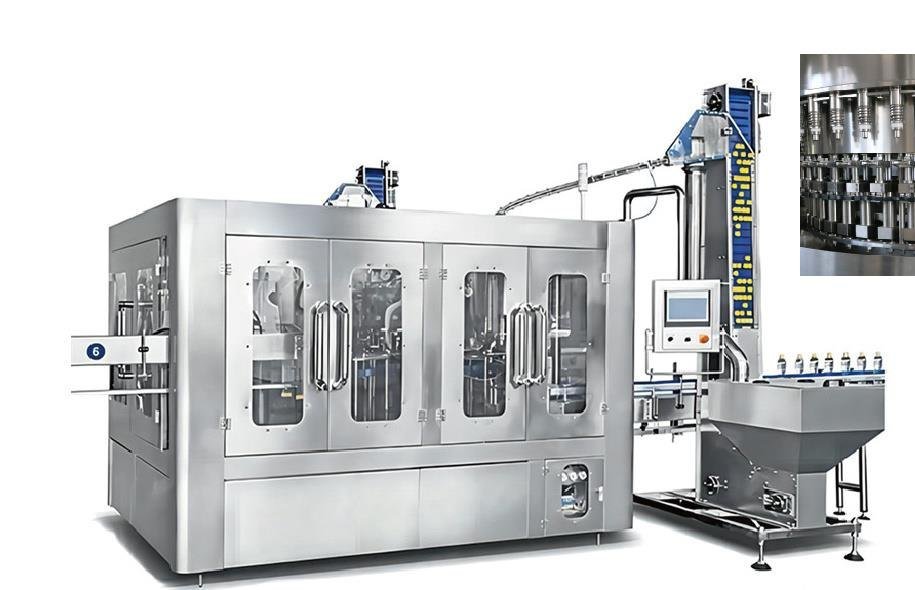
Provide cap drawings and physical samples before the cap-handling equipment is finalized. The proposal should distinguish the cap elevator, sorter, conveyor, chute, placement mechanism and capping heads instead of hiding them under one line item.
Projects that match this page decision
Boundaries that need a different platform or review
Evidence to provide before confirmation
What happens at this machine or decision boundary
Options that must appear in the proposal
Upstream, downstream and utility handovers
Questions to close before order
How to verify the agreed basis
What the commercial offer should state
Cap type, material, diameter, height and drawing. Matching bottle neck finish and samples. Cap loading method and operator access. Required rejection or detection scope.
Cap elevator, sorter, conveyor and chute. Capping-head count and change components. Approved cap and bottle-neck references. Detection, FAT method and spare parts.
Run only approved production-representative caps. Record missing, tilted, damaged and leaking closures. Check cap-starvation, jam alarm and restart logic.
Related decision
Select a PET still-water rinsing, filling and capping monoblock. Check catalog capacity, bottle compatibility and quotation scope before ordering.
Allot Tech / bottle-capping-system
Send the bottle, cap, reference output, existing equipment and destination. Final values are confirmed in the project proposal.
Mr Kcal
Allot Tech (Suzhou) Co., Ltd.